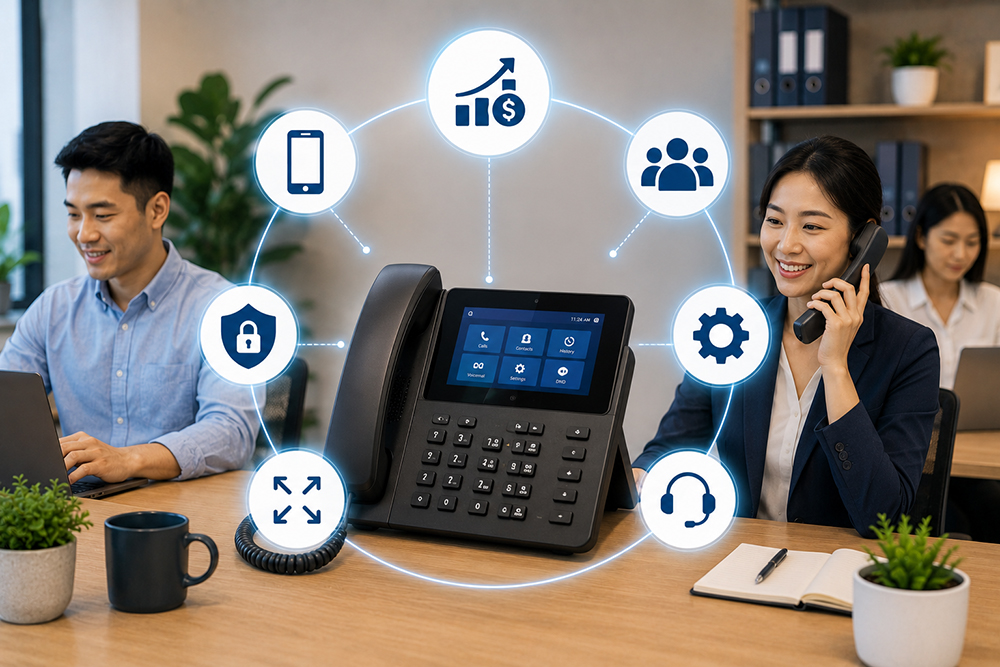
Can your office phone system handle a busy Monday morning without sending calls into a black hole? Can staff answer business calls away from their desks without carrying two phones? If the answer is no, the old PBX may be working hard, but it is probably not working smart.
That is why Singapore businesses are switching to IP PBX phone systems.
A conventional PBX depends heavily on dedicated telephone lines and specialized on-site equipment. It can be dependable, but changes may involve cabling work, service appointments, and added cost. Adding a new employee should not feel like a renovation project.
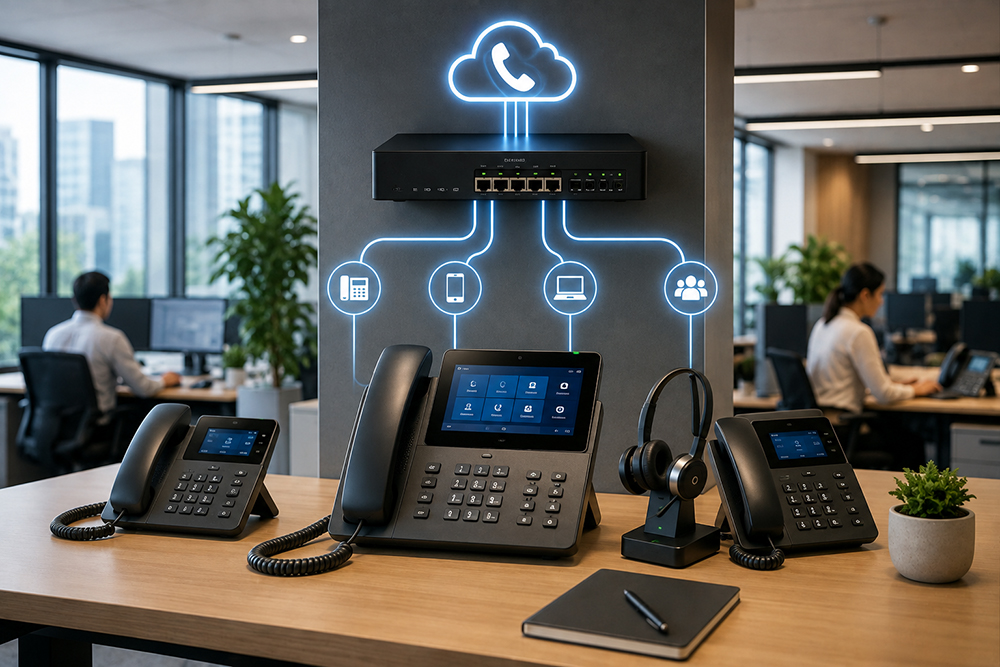
An IP PBX uses an organization’s data network and internet connectivity to deliver voice services. Calls can still be handled through desk phones, but users may also access approved extensions through computer applications or mobile devices. This gives businesses more options in how calls are routed, answered, and monitored.
#1 Flexible Growth Without Rebuilding the Phone System
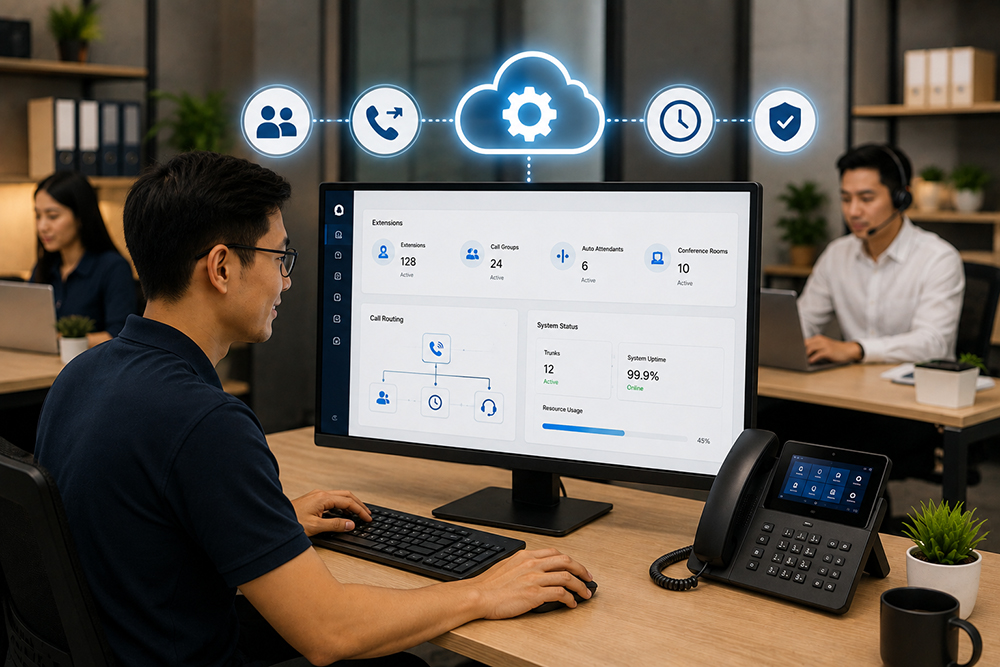
With the right IP PBX design, administrators can add extensions, create call groups, adjust business hours, and update call routing through a central management interface. That does not mean every change is automatic or risk-free. Network capacity, licensing, handset compatibility, and security settings still need to be assessed. But the process is generally more adaptable than modifying legacy phone wiring for every request.
- Add staff or departments without a major telephony overhaul
- Route calls between a main office, branch locations, and remote teams
- Set up temporary extensions for project teams or seasonal operations
- Move offices while retaining familiar extension numbers and call flows
- Configure separate call handling for sales, service, finance, and reception
#2 Better Support for Hybrid and Mobile Teams

#3 A More Professional Customer Call Experience
#4 Lower Complexity Through Centralized Administration
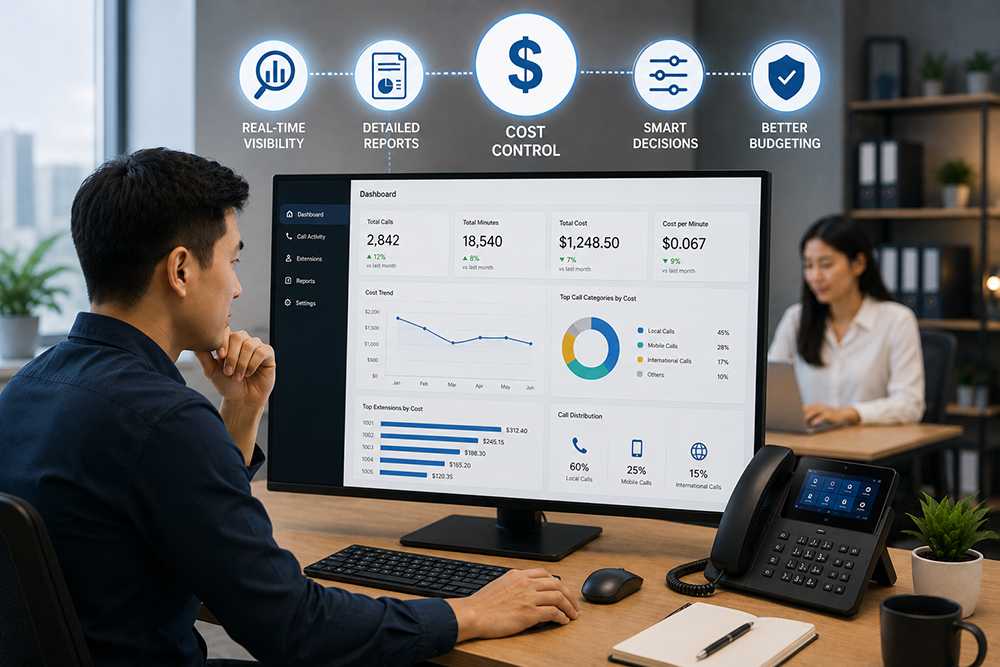
#5 Cost Control Is About Visibility, Not Just Cheaper Calls
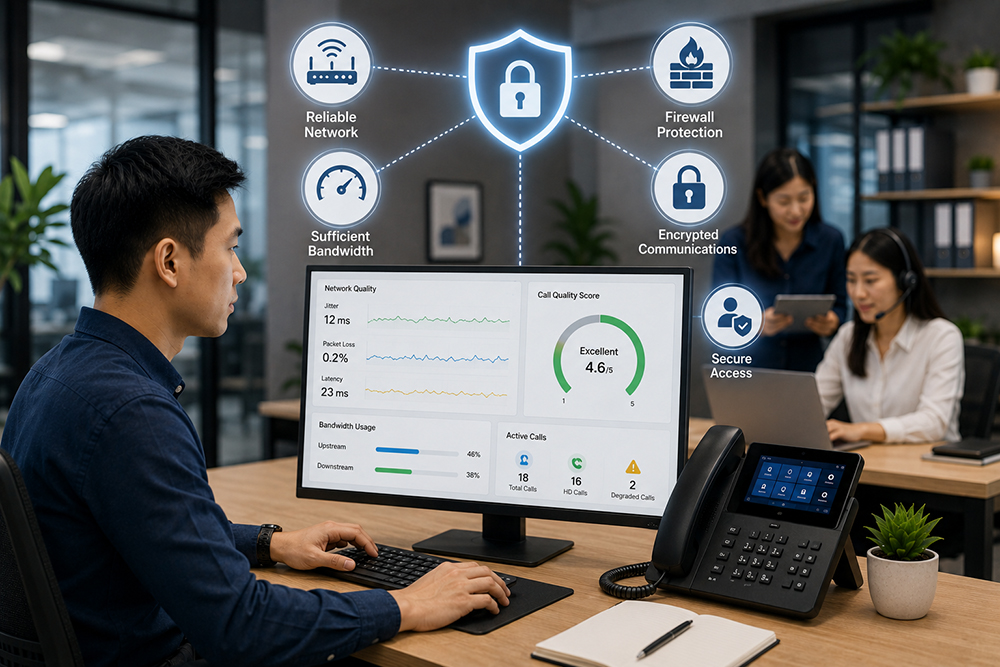
#6 Network Quality and Security Still Matter