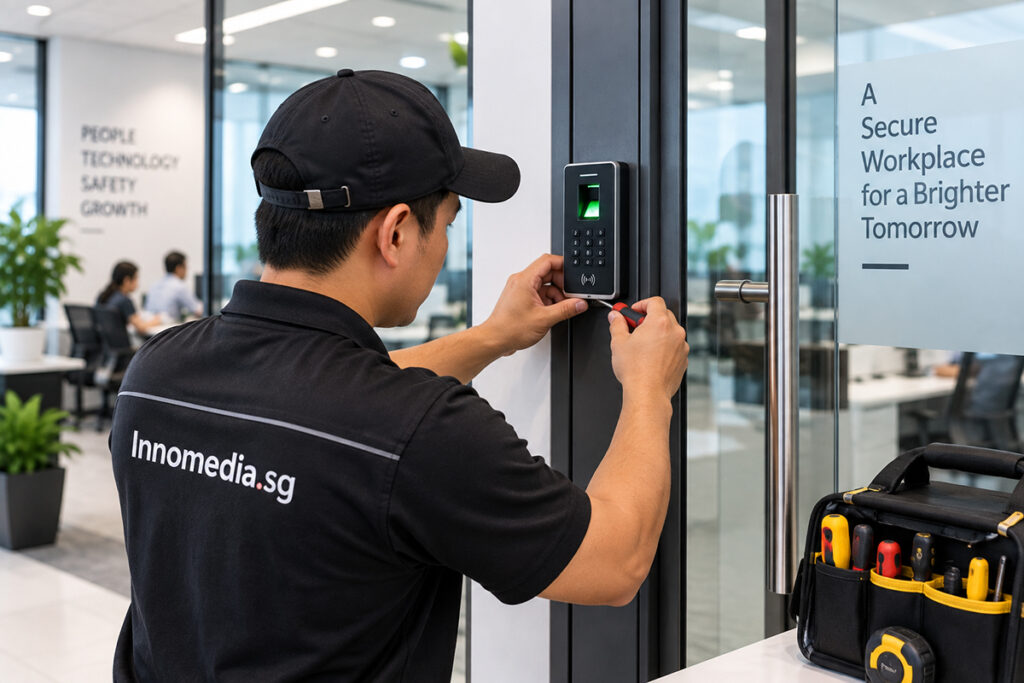
A cctv and door access security system gives organizations a clearer, more accountable way to manage physical security. When planned as one connected solution, cameras show what happened while access control establishes who was authorized to enter, when they entered, and which door they used. The result is not just better protection. It is a more manageable workplace for IT, facilities, operations, and leadership teams.
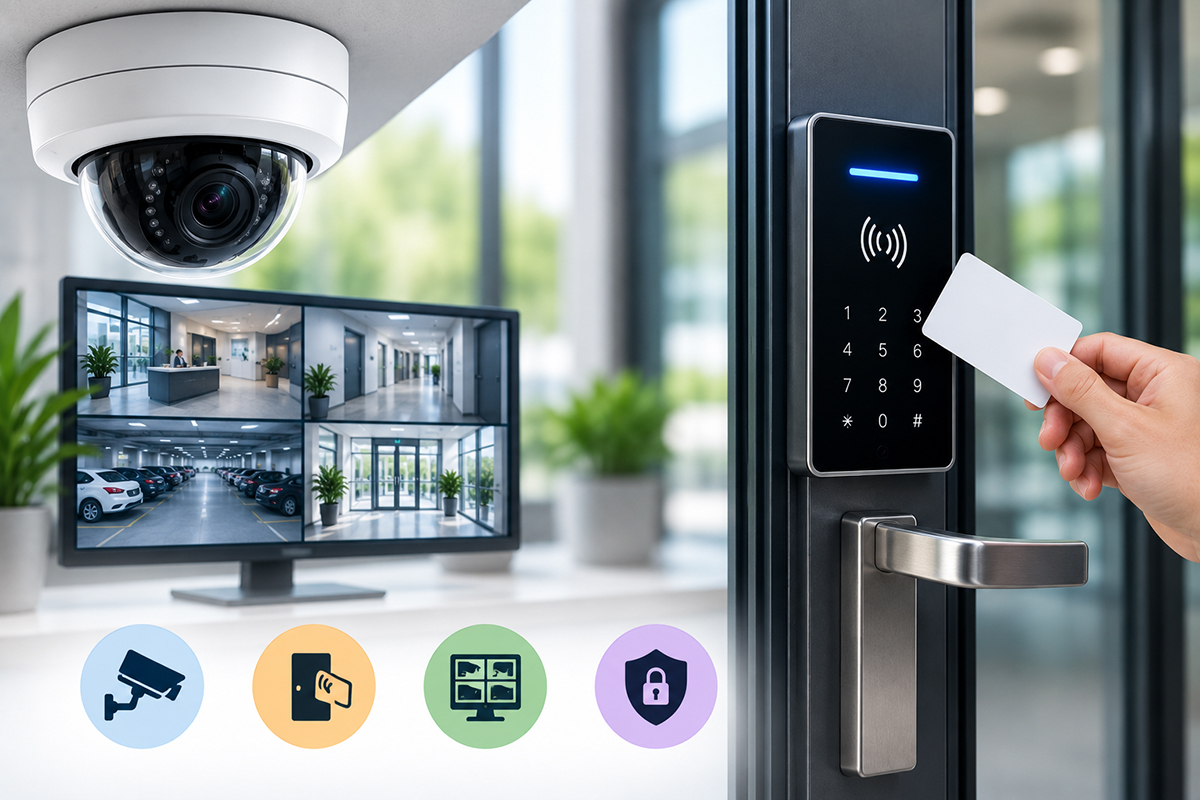
For growing offices, warehouses, retail sites, clinics, schools, and multi-floor commercial premises, the question is rarely whether security is needed. The real question is how to deploy it without creating separate systems, avoidable administration, or blind spots around the areas that matter most.
Why CCTV and Door Access Security Systems Belong Together
A camera system and an electronic access system can operate independently, but they produce greater business value when designed around the same operational requirements.
Door access control handles authorization. Employees may use cards, PINs, mobile credentials, or biometric methods to gain entry. Administrators can define access schedules, restrict sensitive rooms, deactivate lost credentials, and maintain an entry log without rekeying a lock or collecting physical keys.
CCTV provides visual verification. It helps teams monitor entrances, corridors, loading areas, reception spaces, parking facilities, and restricted zones. Recorded video can support incident reviews, workplace safety investigations, and evidence requests.
Together, these systems help answer two different but connected questions:
- Was this person permitted to enter this area?
- What occurred at the door or within the surrounding area?
For example, a forced-door alert without nearby video may require a manual investigation. Video alone may show someone entering a room but not whether their access was approved. Combining access logs with camera footage gives security or operations teams a more complete timeline.
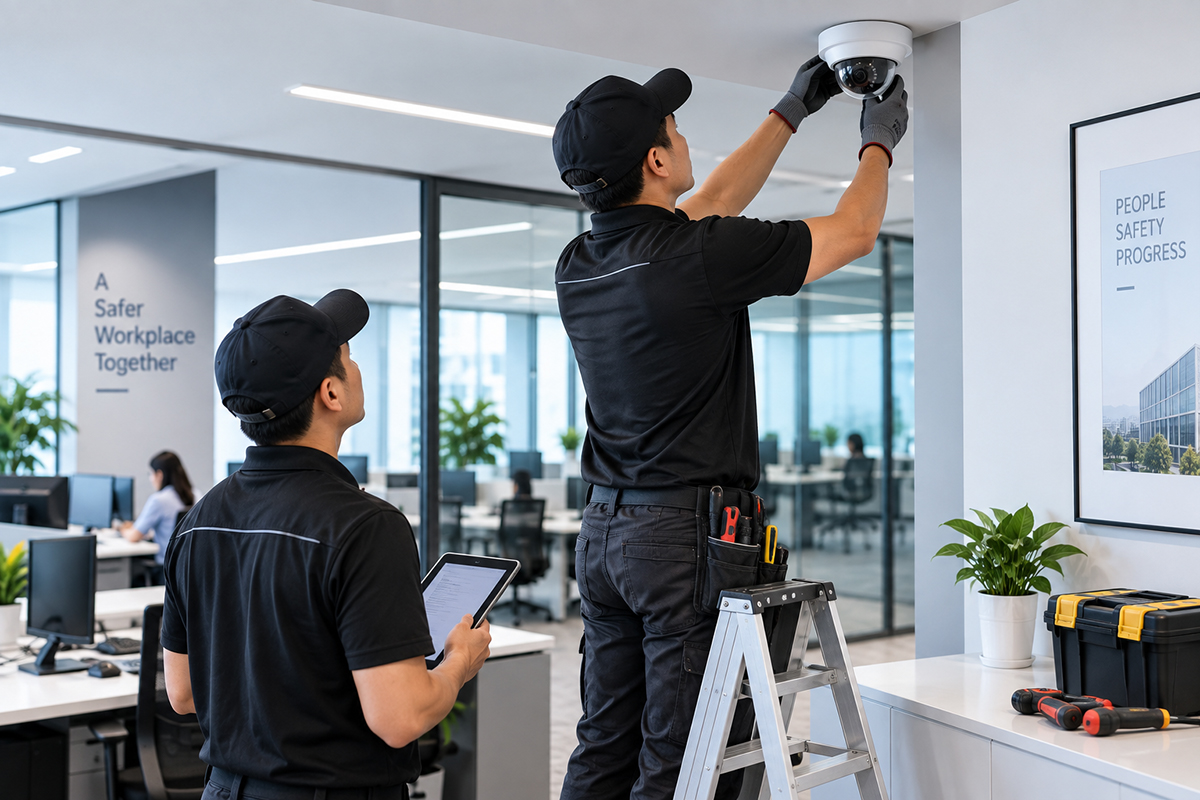
Start With Business Risk, Not Camera Counts
Buying ten cameras because another office has ten cameras is not a security plan. Every site has different operating hours, visitor traffic, assets, staff movement, and compliance responsibilities.
A proper assessment begins by identifying the business activities that need protection. This includes public-facing areas, employee-only zones, equipment rooms, document storage, stock locations, data centers, and emergency exits. It should also account for the daily journey through the building, from front entrance to work area to loading bay.
Questions that shape the design
Before selecting equipment, decision-makers should be able to answer the following:
- Which doors require controlled entry, and which must always allow free exit for safety?
- Who needs access to each area: employees, contractors, cleaners, vendors, or visitors?
- Are there periods when access should be limited, such as after business hours or during weekends?
- Which camera views must identify faces, read vehicle plates, monitor activity, or simply provide general situational awareness?
- How long should footage and entry records be retained?
- Who will administer users, review alerts, and respond when a device fails?
These answers prevent two common problems: overspending on features that will not be used, or installing a basic system that cannot support the organization once it expands.